


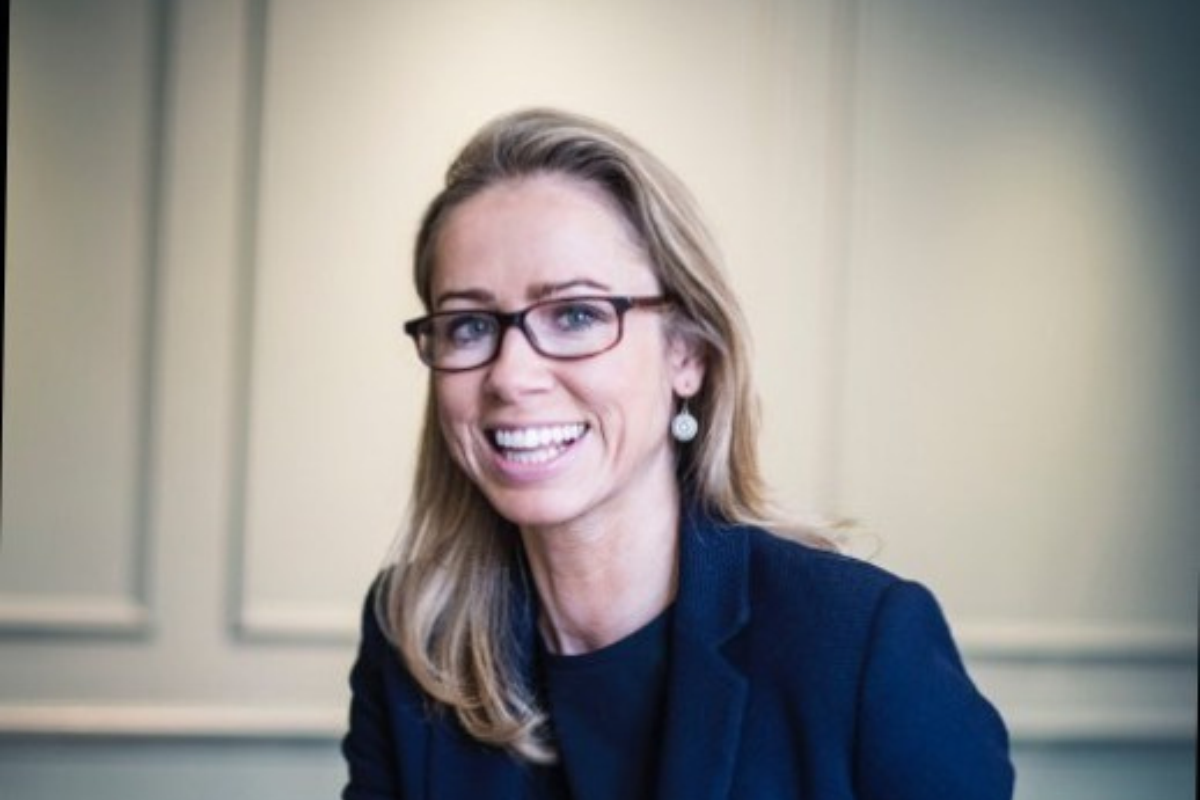
Pauline Holst Blomqvist has an extensive international background in finance and corporate finance, having worked with companies across different industries and stages of development. Among other things, she built the corporate finance business at Avanza and has experience as an adviser, board member and interim CEO.
Today, she combines board assignments with her role as a senior adviser. For Pauline, it is about contributing experience and perspective, but also about understanding what a company needs at different stages of its development, and when a different kind of leadership or new expertise is required.
You have built several businesses from the ground up, what have you learned about building a strong team?
“I have built a number of businesses, including the Private Wealth Management division at Deutsche Bank, asset management and advisory businesses/family offices, and Avanza Corporate Finance. I have also worked with challenging turnaround situations, both as a CEO and as an adviser.
The most important thing is having a clear vision and strategy. These serve as a guiding light, helping people, regardless of their role, understand what they are working towards and how their individual contribution fits into the bigger picture.
When building a business, you also need to attract people with different strengths that complement one another. Everyone does not have to be the same, but there needs to be a shared foundation of solid expertise and a willingness to build something together.
I also believe you need to understand what kind of people thrive in a start-up or build-up phase. When you are developing the business while establishing structures and processes, you need people who enjoy a fast-moving and sometimes challenging environment.
When people understand their own role and how they contribute to the bigger picture, a team can become an enormous force.”
What characterises a really good management team, and what sets the best leaders apart from the rest?
“It very much depends on the type of business and the stage the company is at.
In a small or medium-sized industrial business, for example, it may be important for the leader to genuinely understand employees’ day-to-day work and have experience of the business. After a period of major change, a reassuring and steady leader may be what is needed most to create stability and direction. In a larger company expanding into new markets, however, a more visionary and dynamic leader may be the right choice.
There is no universal model for leadership. One common key element, however, is the ability to communicate effectively with employees, management, the board, owners, and other stakeholders.
I believe a good management team consists of competent people who trust one another and dare to be open, even when the issues are difficult. You need to be able to make and implement decisions that are sometimes uncomfortable. A common pattern is that organisations allow things that are not working to continue for longer than they should, because making decisions that affect people is difficult.
Being a leader can also be quite a lonely role. That makes the management team particularly important. It is where different parts of the business come together, and where you need to work collectively to keep the bigger picture in focus.”
As board member of SBAB, Primär and Collaxio. How does your perspective change when you move from being an adviser and operational leader to a board member?
“In my case, the perspective does not really change that much. As a senior adviser, I have long worked closely with boards, management teams and owners, addressing both operational and practical matters as well as broader strategic issues.
As a corporate finance adviser, you work with companies over an extended period to develop and optimise their business and organisation. This includes reviewing the balance sheet, improving margins and profitability, setting overall strategy and financial targets, exiting non-core activities, divesting parts of the business and acquiring complementary or entirely new operations ahead of an IPO or sale. Through this work, you gain an exceptionally deep understanding of the business and the market and environment in which it operates.
That makes the move into the boardroom feel natural. The fundamental questions remain the same: How do we develop the company? What needs to change? Where is the potential, and what decisions are required to build an even stronger and more sustainable business?”
What do you believe is the board’s specific responsibility when a company is going through change?
“The board carries the responsibility. It needs to see the bigger picture and ensure that the company has the right direction, the right leadership, and the right conditions for success.
This does not mean that the board should run the day-to-day operations. However, it must provide support through its knowledge and experience, ask the right questions and take action when the development require it. This is particularly important when it comes to the appointment of the CEO and the expertise available within the organisation.
The board needs to stay alert and recognise when a company is approaching a new reality or entering a new phase, and when the expertise or leadership that worked well in the past needs to change.”
When do you think a board should bring in external senior expertise rather than trying to manage the situation with the existing organisation?
“There are many different situations in which interim management can be the right solution. It may be an interim CEO, but it could also be a consultant, specialist or other senior professional whose expertise is needed for a limited period.
One of my favourite situations in which to bring in an interim manager is when an organisation or function needs to take a step forward after doing the same thing in the same way for a very long time. This could involve modernisation, more efficient processes or new ways of working. In such cases, bringing in someone with extensive experience and fresh perspectives for a period can be extremely valuable. They can identify things that the organisation may have become blind to or simply failed to keep up with.”
What do the board or owners need to do to ensure that an interim manager can make a real impact?
“It is important not to view an interim manager as someone who comes in, solves a problem and then leaves without anything else changing.
I believe the strengthening of expertise should take place in close collaboration with the existing organisation. The interim manager should help build internal capabilities, including through training and knowledge transfer. When they leave, the new knowledge and ways of working should remain within the organisation. Otherwise, there is a risk of losing much of the impact when the assignment comes to an end.”
You have personally worked as an interim CEO and led a turnaround. What did you learn from that experience?
“It was a very intense assignment. I started following a transaction, or sale, where the new owners needed a CEO for a transition period.
The assignment evolved into a turnaround in which I had to downsize the business and make some very tough decisions. This included making employees redundant while also handling difficult negotiations with customers and suppliers.
The assignment lasted around a year and a half, and we managed to turn the business around. It was a fantastic experience, even though it meant getting very little sleep for a long time!
One of the main things I took away from it was the importance of having first-hand experience of difficult decisions and challenging business situations. When we needed to reduce the organisation, I took over several functions myself. Suddenly, I was doing the jobs of four people. It was a valuable experience. You get your hands dirty, so to speak, and realise that leadership is not just rewarding but also difficult and challenging. As an adviser, you have far greater credibility when you have sat in the driving seat yourself. It is about much more than producing impressive PowerPoint presentations.”
Today, you combine board assignments with advisory work. What needs to be in place for you to feel that you can genuinely add value?
“It depends on the stage the company is at, what it wants to achieve and what I am working on myself at the time.
I am open to both board and operational assignments, including board roles with a more hands-on focus. With a strong financial background, an international perspective and experience across many different industries, I have a broad base of experience and expertise to contribute.
But experience and subject-matter expertise are not everything. Sharp thinking, curiosity, intellectual agility and an innovative mindset are equally valuable in the boardroom. And, of course, ethics, sound judgement and integrity are essential.
I particularly enjoy working with organisations that have highly competent people and a strong ambition to develop. I feel at home in an international environment, so companies that already operate internationally or want to expand into new markets are interesting to me. Listed companies, businesses involved in acquisitions and companies with ambitions to go public are also close to my experience in capital markets and corporate finance.”
What makes you feel that an assignment has truly been worthwhile?
“Knowing that I have genuinely made a difference. That could mean developing a business, improving an organisation, contributing to a strategic change or helping a company through a difficult period. I enjoy assignments where there is something to get to grips with and where my experience can complement the expertise already in place.
You never stop learning. I have built businesses and worked with many different types of companies and people, but I continue to learn new things all the time, and I love that. It is also what makes entrepreneurship, leadership, board work and advisory work so interesting.”