


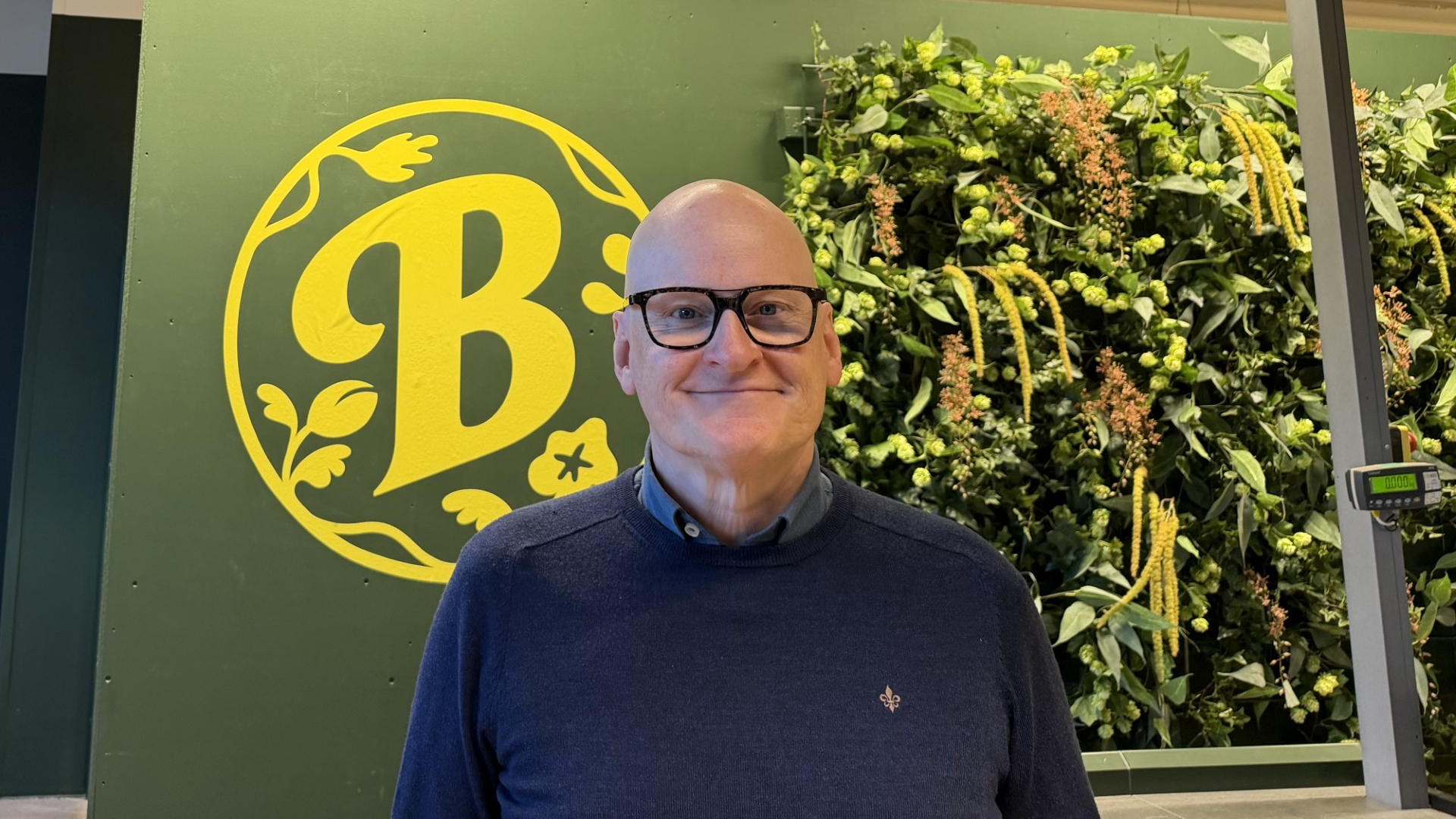
After around 20 years at Jula, including the final ten years as CEO, Joachim Frykberg decided just over four years ago to leave operational leadership and instead focus on board work, investments and advisory roles. Today, he is Chairman of the Board of Nordic Garden Group, which includes Blomsterlandet and Plantehallen, and Fjäråskupan, as well as a Board Director of Svedbergs Group and Jula.
Today, he draws on his experience from operational leadership in his board work, investments and advisory roles, as well as through his involvement with various start-ups and scale-ups in the Skaraborg region.
We met with Joachim to discuss what characterises value-creating board work, how leadership needs to evolve as companies grow and change, and when interim management can be an effective way of bringing experience, expertise and leadership into a critical phase.
After a long operational career, you chose to become a professional board director. What prompted that decision?
“For many years, I had thought that I would work operationally until around the age of 50 and then do something else. I was fortunate to be part of a fantastic journey at Jula for 20 years, including the final ten as CEO. When we had grown from around SEK 400 million to SEK 10 billion in revenue, I felt that I had gained a great deal of experience and that it was time to apply it in other contexts.
It also felt like a natural step to have the opportunity to see more companies and businesses from a different perspective. Today, I find it very stimulating to be able to contribute my experience to several different companies while continuing to learn myself.
During my time at Jula, I also had the privilege of working closely with one of Sweden’s leading entrepreneurs, Karl-Johan Blank. He taught me an incredible amount about entrepreneurship, business, and leadership.”
You currently have four board positions in companies at different stages of development. What characterises a board that genuinely creates business value?
“For me, it starts with everyone having the best interests of the company at heart. When the owners, board and management share a clear view of where the company is heading and what they want to achieve, it creates a very strong foundation.
The roles also need to be clear. The owners have their role, the board has its role and management has its role. But a board also needs to function as a real team. As Chairman, much of my role is about creating an environment where the expertise of each board member can be fully utilised and where people feel comfortable discussing the important issues.
It is also about finding the right balance between monitoring performance and looking ahead. Naturally, the board needs to follow up on results and risks, but a large part of the value lies in looking ahead and contributing to the company’s continued development. A board also needs to be aligned with the stage of the company’s journey.”
What changes in the board’s work when a company moves from entrepreneurial growth to becoming a larger and more complex organisation?
“The need for the right expertise becomes even more apparent. A smaller company may need a board that goes deeper into certain issues and can contribute experience in a different way. In a larger company, there are often more resources and specialist expertise within the organisation, and the board needs to take that into account.
As Chairman, it is also important to make sure that the right issues are brought to the table and that everyone contributes. Board work is not just about the meetings themselves. It also requires time between meetings: dialogue with the CEO and other board members, and an understanding of what is happening in the business. It is through this continuous dialogue that you build the trust and understanding needed for the board to function really well.”
You are involved in companies undergoing expansion and acquisition journeys. What leadership challenges do you most often see when a company grows rapidly?
“I always see both an opportunity and a challenge. When a company grows quickly, communication becomes very important. People need to understand what we are going to do, why we are doing it and how we are going to get there.
But leadership during a growth phase is also about staying calm. You need to be able to take a step back and identify which issues are actually the most important and at what pace to drive the change.
Acquisitions bring an additional challenge. It is easy to put all your energy into what is coming into the organisation and lose focus on the existing business. That is why you need to look after the core business while also creating a successful integration of the new.
This places high demands on both management and the board. One of the board’s responsibilities is to keep sight of the bigger picture, ask the right questions and make sure the company does not lose its direction when a lot is happening at the same time.”
From a board perspective, when do you see interim management as particularly valuable?
“There are several situations where an interim manager can be a very good solution. An obvious one is when there is a leadership gap, e.g., if a CFO or CEO leaves and you need to ensure continuity.
But it can also be about the company being in a particular phase where it needs to bring in specific expertise for a limited period. That could be change management, financing or another capability that the organisation does not need permanently. One of the major advantages is that you can gain access to a great deal of experience quickly. A good interim manager comes in with significantly broader experience than the specific assignment requires and can therefore contribute from day one.
I also think interim management can be a way of creating time during an important recruitment process. Sometimes there is an internal candidate who could take on the role; sometimes you are looking externally but have not yet found the right person. In that situation, you do not have to choose the best of the candidates who happen to be available. Instead, you can bring in an interim leader and give yourself time to find the right long-term solution.
In that way, you buy yourself time and the opportunity to implement the change you actually want.”
You have brought in interim managers yourself. What have you learned from that experience?
“I have brought in interim CEOs on a couple of occasions, as well as interim solutions within HR and marketing. My experience is that it can work extremely well.
But it also requires something from the person commissioning the assignment. You need to be clear about what you want to achieve, what the assignment entails and what mandate comes with the role. When that is clear, it becomes much easier for an interim manager to quickly become effective and deliver results.
The choice of partner is also important. You need a provider that understands the situation and can help identify the right person based on the actual need – not simply fill a vacancy.”
You have moved between operational leadership, investments, advisory work and board positions. What has this taught you about the leadership of the future?
“I believe curiosity is one of the most important qualities. You need to want to learn new things and be interested in new people. It is dangerous to think that you always know best simply because you have a lot of experience.
I have always tried to surround myself with people who know things I do not know and who are better than me in certain areas. As a leader, you do not need to be the person who has all the answers. My role is to get the organisation from point A to point B and create the conditions for others to succeed. That is why I strongly believe in being a coaching leader and having the confidence to bring in expertise that complements your own.
Communication is also becoming increasingly important. A leader needs to be able to communicate at different levels and adapt the message to the person to whom they are speaking. As the pace of change increases and people have access to enormous amounts of information, the ability to create understanding, direction and a sense of security becomes even more important.
We have tremendous opportunities ahead of us with AI and other technological tools. But they also place greater demands on us as individuals. When everything is changing rapidly, a leader needs to be able to stay the course, make decisions and at the same time remain open to reconsidering them when circumstances change.”
#BoardofDirectors #BOD #ChairmanofhteBoard