



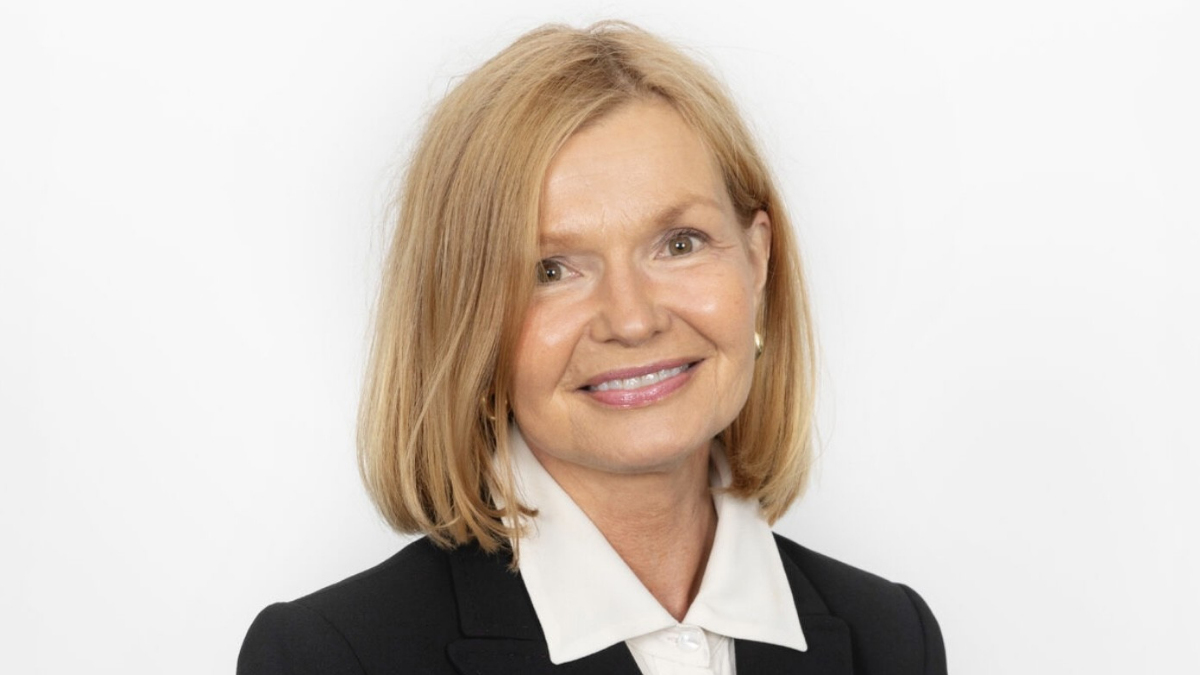
With 18 years of experience as a CFO in listed companies and extensive experience across construction, real estate, infrastructure and retail, Ann-Sofi Danielsson brings a unique perspective on both operational leadership and strategic decision-making. She has, among other roles, served as CFO of NCC and Bonava and held board positions at companies including Vasakronan, Pandox, and Rusta. Today, she works primarily as a board member and senior advisor.
We met with Ann-Sofi to discuss leadership, strategy, the role of the board, and when external expertise can make a real difference in an organisation.
You have a long background as a CFO and have spent most of the past five years working as a board member and senior advisor. How has that journey influenced your view of leadership?
“I think leadership is incredibly important. Throughout my career, I have had managers who supported me, and I strongly believe in leadership that creates the conditions for people to succeed.
A leader needs to be committed to the development of their employees while also being willing to set clear expectations. It is about building an organisation with the right capabilities and creating an environment where people can contribute and develop.
As a manager, you also have a great responsibility for the people you surround yourself with. Having the right competence in the right place is critical for an organisation to perform and develop.”
You have worked both operationally and in the boardroom. What characterises a leader who is able to provide direction and bring an organisation along?
“It is not a one-person show. I have worked in large organisations for most of my career, and in those environments, it is particularly important to make use of the expertise that already exists within the organisation.
Strategy is a good example. To me, strategy is an ongoing process that needs to be developed together with the organisation and followed up throughout the business. Otherwise, there is a risk that strategy becomes a desk exercise.
When I started my career, strategic work was often handled by a small group within the executive management team. Strategy documents could almost be treated as confidential. I don’t think you can work that way today. If an organisation is to achieve its strategic objectives, employees need to understand the direction and which goals and KPIs matter.
Ultimately, it is about translating strategy into action and ensuring that the entire organisation understands its role in delivering it.”
You have extensive board experience, including at Vasakronan, Pandox and Rusta. What is the board’s most important responsibility when a company is undergoing change or growth?
“I think it is very important for the board to stay out of operational matters. The executive management team should run the business, while the board should contribute experience, perspective and relevant questions.
As a board member, I can never know as much about the market or the operational circumstances as the management team working with those issues every day. That is why an important part of the board’s role is to challenge.
I want to be able to ask: Have you considered this? What happens if this occurs? What are the biggest risks? What opportunities do you see?
That is where the board can make a real difference – by contributing perspective and ensuring that the right questions are being discussed, without making the operational decisions itself.
In smaller companies, the situation can of course be different, particularly if the organisation does not have the same resources and capabilities internally. But fundamentally, the division of responsibilities between the board and management needs to be clear.”
You also have experience of periods of crisis and significant change. What becomes particularly important for the board when circumstances change rapidly?
“The board needs to be able to act quickly while maintaining perspective. It is about following developments closely, asking the right questions and ensuring that management has the right conditions to handle the situation.
In certain situations, an executive chair can be a solution if the company needs additional support for a limited period. But in that case, roles, mandates and responsibilities need to be clearly defined.
During a crisis, it is easy for the boundaries between the board and management to become blurred. That makes it even more important to know who is responsible for which decisions and for the board to provide management with the support it needs without taking over.”
You also have experience of interim management. When do you think it is the right time to bring in an interim leader?
“It depends very much on the situation. Interim management can be a very effective solution when there is a clear need during a transition period or in a crisis situation.
I have brought in interim managers in finance and HR on several occasions. It can be very valuable when you need experienced expertise quickly, for example, in financing or transformation.
At CFO level, an interim solution can be particularly effective when a company needs someone who can quickly take responsibility and create stability during a transition.
For a CEO role, I see it somewhat differently. If a CEO leaves unexpectedly, there may of course be a need for someone to step in and keep the business together for a limited period. But if the assignment involves developing and driving an entirely new strategic direction, I think it is important that the person leading that change can also be there for the longer term.
Six to twelve months is, after all, a relatively short period when you are undertaking a major strategic transformation.”
What does it take for an interim solution to create real value?
“There needs to be a clear assignment and a clear mandate. An interim manager needs to know what is expected to be achieved and what responsibility they actually have.
It is also important to be clear about the type of situation you are addressing. Is the objective to stabilise the business, create continuity during a transition, or deliver a specific change? Different situations require different expertise.
For me, it therefore comes down to clarity – what is the situation, what needs to be solved, and what experience is required to do it? Once that is clear, it becomes much easier to find the right person and achieve results.”
After many years as a CFO and now as a board member, what do you take with you from your operational career into the boardroom?
“Above all, an understanding of how decisions actually work in practice. Strategy, finance and organisation are interconnected. It is not enough to decide on a direction – the organisation must also have the capabilities and resources to execute it.
That perspective is extremely valuable in board work. I believe you become a better board member if you understand what it takes to move from decision to execution.
You need to be able to challenge, ask the difficult questions, and at the same time understand the reality behind the numbers and the decisions. That is where I believe experience from operational leadership makes the greatest difference in the boardroom.”
#InterimCFO #ChiefFinancialOfficer #FinanceDirector #FinanceManager