


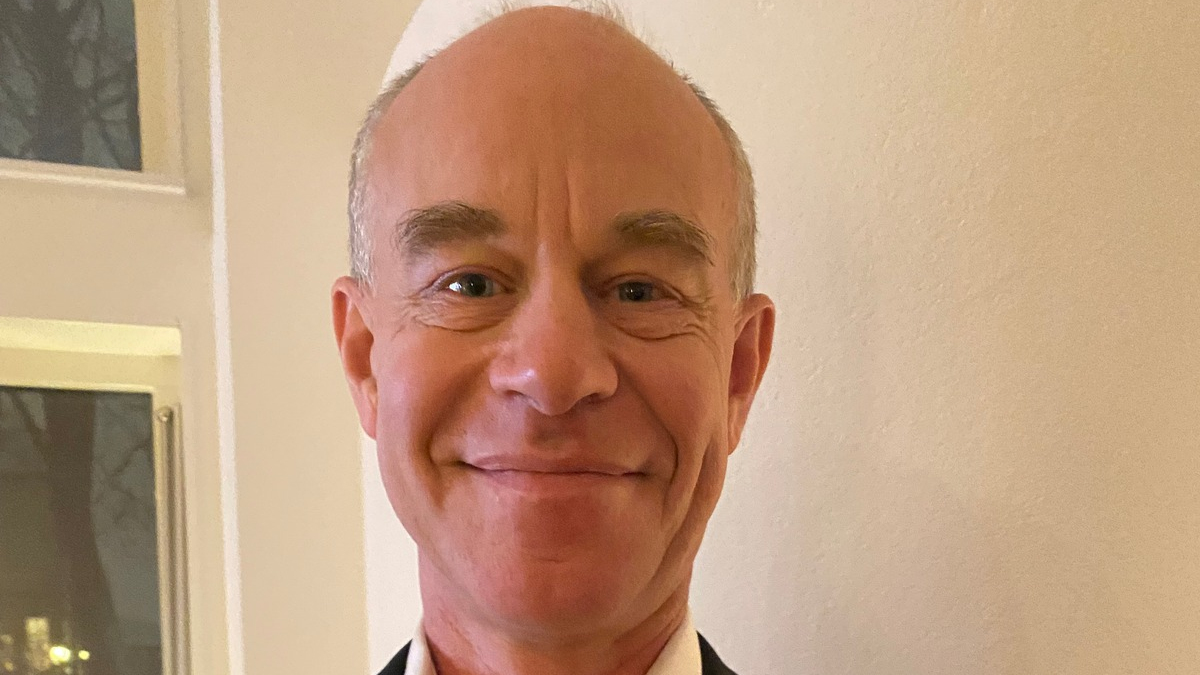
When Per Brandt recently completed his assignment as interim CIO at Avonova through Nordic Interim, he left behind a more structured IT organisation, improved cost control and a clearer foundation for future development. Over nearly two years, he led an IT organisation of around 50 people and worked on everything from supplier agreements and organisational development to Avonova’s digital business.
For Per, a successful interim assignment is about more than delivering results during his time in the role. Just as important is creating the conditions for the organisation to continue developing after he leaves.
Avonova provides occupational health services primarily in Sweden and Norway, with around 1,500 employees across the two countries. An important part of the group’s business is Avonova Assist, a digital service for small businesses delivered through licensed software. The business operates through the separate company Avonova Solutions and plays a central role in Avonova’s growth and value creation.
We spoke to Per about cost control, leadership and digital business development – and why an interim leader must leave behind an organisation that can take the next step independently.
You joined Avonova with a clear mandate. What did you need to achieve?
“My top priority when I joined was to get IT costs under control, but the assignment was also about leading the organisation and driving improvements. There had been a perception that IT was something of a black hole. Costs could vary significantly from one month to the next, and it was not always clear why. I needed to establish structure, increase transparency and ensure that IT operations worked better.
A management consultant had already analysed the costs and identified potential savings. My task was to put that analysis into practice and deliver on the targets that had been set. A large part of the work involved reviewing contracts and supplier costs. We found agreements that could be renegotiated, as well as costs that could simply be eliminated. These included software that was no longer being used and licences that continued to be paid for after employees had left.
In parallel, we pursued several initiatives within the IT strategy that had been developed. These included further developing the digital product, establishing a data platform and developing internal tools to improve efficiency.
Much of this was fundamental groundwork, but it made a significant difference. The assignment also involved adjusting the IT organisation, improving ways of working, clarifying responsibilities and creating the conditions for the organisation to continue developing.”
Avonova also has a digital business that sets it apart from traditional occupational health services. Can you tell us more about it?
“Avonova Assist is an important part of Avonova’s business and something that genuinely differentiates us from our competitors. The product is aimed at smaller companies, often with up to around 50 employees, that need access to occupational health services as well as support with basic HR and occupational health and safety matters.
Through the digital service, companies gain access to health-related services, basic HR and HSE tools, and various employee services. These can include financial advice, video consultations with doctors and online consultations with psychologists. The solution helps smaller companies look after their employees and manage some of the requirements placed on employers.
What also distinguishes the business from traditional occupational health services is its business model. Avonova Assist is sold as licensed software with a recurring licence fee, and the business operates through the separate company Avonova Solutions. The product has made a significant contribution to the group’s growth and customer acquisition and represents an important part of the value created by the business.
My role was not to develop the product myself, but to take responsibility for the IT organisation working on it. In Norway, around 25 developers were building and further developing the service. My responsibilities covered both internal IT operations and the product development supporting the digital business.”
Where are the greatest opportunities to improve the financial performance of an IT organisation?
“IT costs are often more complex than they initially appear. A large proportion comes from external suppliers. As a rough estimate, supplier costs may account for 70 per cent of the total, with personnel costs making up the remaining 30 per cent. This means there are significant opportunities to influence the cost base without having to cut expertise.
It is about understanding what you are actually paying for and what value you get in return. Which services do we use? Which licences do we really need? Are there overlapping solutions, outdated contracts or services that have remained in place even though the business needs have changed? By systematically reviewing contracts, licences and supplier arrangements, it is often possible to identify unnecessary costs and opportunities to negotiate better terms.
But cost control is not just about saving money in the short term. It is also about creating transparency and understanding how IT costs develop over time. Only when you have that level of control can you make informed decisions about where money delivers the greatest value and how IT can best support the business objectives. That is where the real improvement work begins.”
You led around 50 people at Avonova. How did you approach developing the organisation?
“I spend quite a lot of time close to the business. I want to understand what people are working on, what matters to them and what problems they face in their daily work. For me, that is essential to effective leadership. I need to understand the reality of the organisation, rather than seeing it only through reports and key performance indicators.
I try to be accessible, listen and help solve problems. Communication and transparency are particularly important during a period of change. People need to understand why we are making a change, what we want to achieve and how their work contributes to the bigger picture.
Part of the assignment also involved reviewing the IT organisation and ensuring it had the right conditions for the future. This included some personnel changes and new hires. It is important that both the expertise available and the allocation of responsibilities match the needs of the business. An organisation can have many talented people, but you also need to ensure that the right skills are in the right places and that the work is organised in a way that supports the whole.
I would describe myself as a fairly hands-on leader. That does not mean I should solve every problem myself, especially when leading around 50 people. Rather, I want to identify where the greatest needs are and ensure that the right conditions are in place. Sometimes that means making decisions, sometimes removing obstacles, and sometimes supporting employees so they can move forward themselves.
At Avonova, the greatest need for leadership and better cost control was primarily within IT infrastructure, including networks, servers and other fundamental technical components. I worked closely with the teams in these areas to understand the challenges and establish structure. My experience is that change becomes significantly easier when people understand the direction and see that management both listens and takes action.”
During your time at Avonova, the owners were also evaluating the group’s future. How did that affect the assignment?
“Avonova is owned by Norvestor, a private equity firm, and the owners had been evaluating different options for the group, including a potential sale. This was one of the reasons for bringing in an interim CIO rather than immediately recruiting someone permanently.
In that kind of situation, there is uncertainty about what the business will look like in the future and what the organisation will need in the longer term. An interim solution makes it possible to bring in the right expertise and drive necessary improvements without having to make a long-term recruitment decision before all the circumstances are clear.
For me, the assignment meant continuing to develop IT operations and establish better control while ensuring that the organisation was prepared for its next step. Whatever happens with the ownership, the business needs to function properly and have its costs, contracts and processes under control. That is an important foundation for the future.”
You have worked as an interim CIO in several different industries. How quickly do you need to understand a new business?
“As an interim manager, you cannot expect to spend the first month simply getting to know the business. You have to do that while getting on with the job.
I try to identify the most obvious problems and start investigating them. From there, it is about establishing good relationships with people across different levels of the organisation. That is how you come to understand both what the company delivers to its customers and, just as importantly, its business model.
When I joined Avonova, I had no previous experience in occupational health services. Naturally, there were new things to learn, including regulations governing patient data and what can and cannot be done with the systems.
But it is not just about understanding the technical environment or the industry’s regulatory framework. You need to understand what creates value for customers and how the business makes money. At Avonova, the digital business was a clear example of why this matters. To make the right IT decisions, you need to understand how both traditional occupational health services and Avonova Assist contribute to the business.”
You have worked both in permanent positions and as an interim manager. What is the biggest difference in leadership?
“Time is an important difference. As an interim manager, you need to understand the organisation quickly, establish trust and identify what needs to be done. You have to be receptive to others while also having the courage to act.
I also find that it can sometimes be easier to implement change as an interim manager. You arrive without a personal history within the organisation and can look at problems with fresh eyes. You do not carry the same baggage and can more easily challenge established ways of working and focus on what the business actually needs.
That does not mean changing things for the sake of change. You need to understand the context and make decisions that will stand the test of time. This could involve changing the organisation, adjusting responsibilities or reviewing the skills and expertise required.
Another important aspect is knowing when the assignment is complete. As an interim manager, you should not make the organisation dependent on you. Instead, you should create the conditions for the work to continue after you leave. Once you have achieved what you came in to do and the organisation is ready to take the next step, it is time to move on.”
When do you think companies should bring in an interim CIO?
“There are several situations where it makes sense. One obvious example is when the previous IT director leaves, and a gap needs to be filled.
IT is complex, so it can be risky to assume that someone internally can take over while you search for a permanent replacement. An interim CIO can maintain continuity while giving the organisation time to conduct a thorough recruitment process.
An interim CIO can also identify issues that need to be brought to light before a permanent appointment is made. This can provide valuable insight into what the next CIO will actually need to address and the kind of profile the organisation should look for.
I also think it is easy for CEOs and management teams to have preconceived ideas about what needs to be done. They might assume that they simply need to recruit someone new or ask an internal employee to step in. That can certainly work, but when a gap arises, an interim solution can be a good opportunity to bring in someone who can look at the situation with fresh eyes.
There is also a financial perspective, particularly in IT. Bringing in an interim CIO may seem expensive, but if a large proportion of the costs comes from suppliers, an experienced professional can quickly identify opportunities to renegotiate contracts, eliminate unnecessary expenditure or improve efficiency. In the end, an interim solution does not necessarily have to be expensive. It can actually be a profitable investment.”
What matters most when handing over an assignment?
“For me, an important part of the assignment is ensuring that the organisation can continue to develop after I leave. You should not build something that depends on the person who has come in. Instead, you need to establish structures and ways of working that will remain in place.
It is about getting the things that need to be under control under control, clarifying responsibilities and ensuring that the organisation knows what needs to happen next. There should be a stable foundation on which to build.
At Avonova, for example, it is important to continue monitoring costs. They can easily start creeping up again if the right routines and processes are not in place. Financial control is the foundation. Once that is established, the organisation can also devote more energy to developing the business.
I introduced Anne, who took over from me as interim CIO, and was able to hand over the work with a clearer structure and better control than when I joined. At the same time, there are always further challenges to address. It is important that the person taking over understands both what has been accomplished and what remains to be done, so that development can continue without having to start from scratch.
For me, a good measure of a successful interim assignment is that the organisation is better equipped when I leave than when I arrived – both to manage ongoing challenges and to continue driving improvements independently.”
You have worked as an interim CIO since 2021. What makes the role attractive to you?
“I enjoy the variety and the opportunity to work in different types of businesses. Although industries and organisations differ, the fundamental challenges are often similar. They may involve establishing cost control, improving ways of working or making IT and the wider business work better together.
I enjoy joining an organisation with a clear mandate and working together with people to achieve change. As an interim CIO, you need to quickly understand the situation, identify priorities and start working towards clear objectives. This requires you to listen carefully, but also to have the courage to make decisions and drive progress.
The most rewarding part is seeing the work deliver results – creating better structure, gaining control over areas that were previously unclear and enabling the organisation to function more effectively. I enjoy coming in, contributing my experience and helping the business move forward. Being able to hand over an organisation that is better equipped than before is a major part of what makes interim management so appealing to me.”
#InterimCIO #InterimITDirector #InterimITmanager